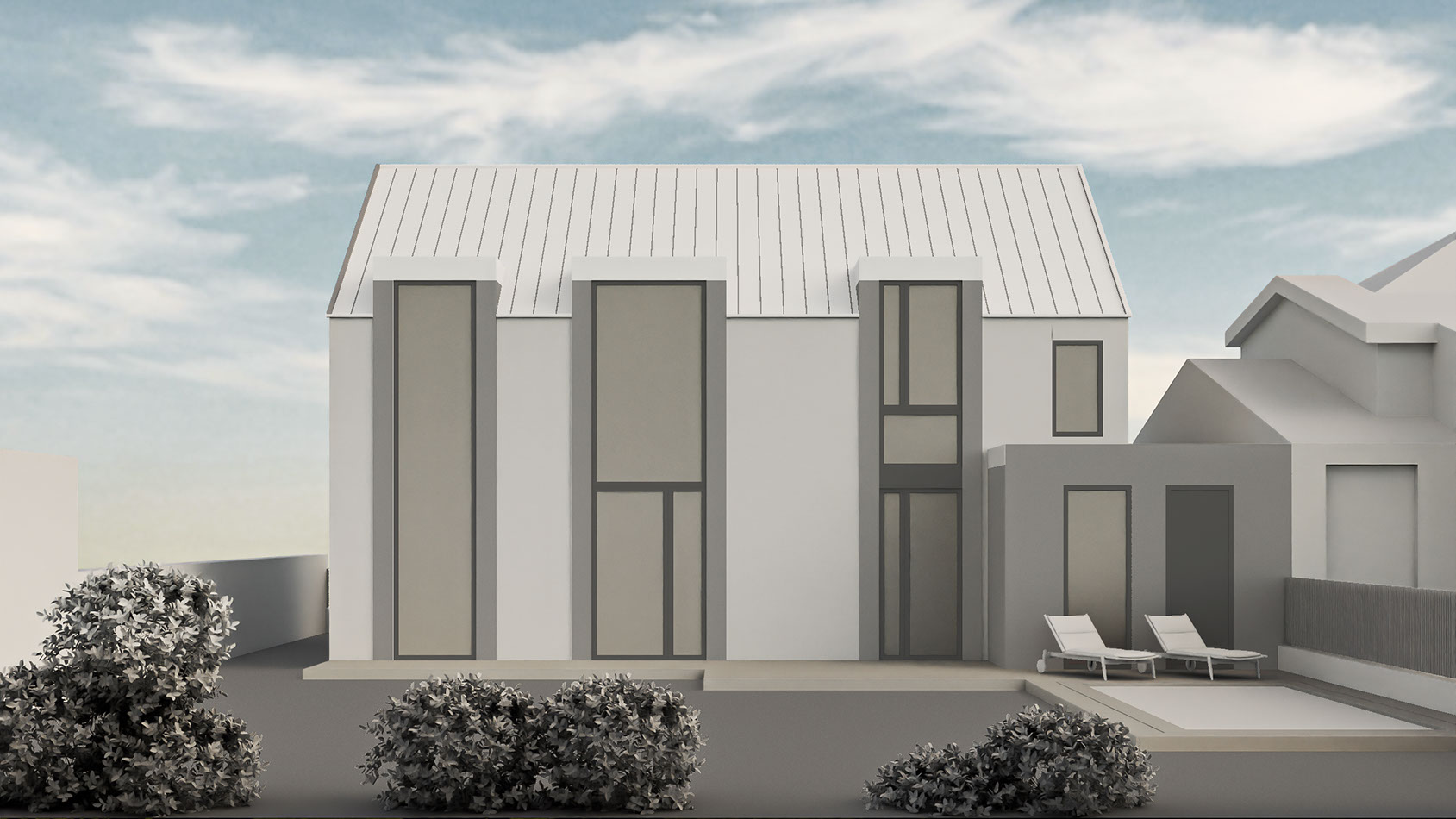
The wrong question is whether AI will replace 3D rendering. The better question is when to use each tool. Traditional 3D rendering is precise, controllable, and production-ready. AI rendering is fast, flexible, and strong for visual direction.
Traditional 3D strengths
Precision, physically based light, material control, and consistent final output make traditional 3D important for production and technically demanding visuals.
AI rendering strengths
AI is strongest for speed, atmosphere, variants, material studies, landscape mood, and quick reviews. It helps teams explore more options before committing to a direction.
The future is hybrid
A strong 3D model can create the base. AI can help search and refine visual direction. Segments help keep control as those two worlds meet.
Main claim: The strongest architectural visualization workflow combines 3D precision with AI speed.